Driving in Nepal is a unique challenge. From the dense, stop-and-go traffic of Kathmandu’s inner wheels to the punishing, vertical climbs of the Prithvi Highway and the dusty plains of the Terai, our environment demands more from a vehicle than almost anywhere else in the world.
Whether you are a daily commuter, a tourist vehicle operator, or a long-haul transporter, keeping your car in peak condition isn’t just about performance—it’s a matter of safety and survival. At All Nepal Trade Center, we often see drivers waiting until a catastrophic breakdown happens before seeking help. To save you from expensive repairs and dangerous roadside failures, we’ve compiled this comprehensive guide to the five components you must monitor.
1. The Transmission: The Heart of Your Vehicle’s Power
The transmission (or gearbox) is responsible for transferring power from your engine to your wheels. In Nepal, where we are constantly shifting gears to navigate steep inclines and sharp bends, the transmission undergoes extreme thermal stress.
What to Watch For: If you notice a “slip” where the engine revs but the car doesn’t accelerate, or if you hear a grinding noise during gear changes, your transmission is crying for help. A burning smell often indicates that the transmission fluid is overheating and losing its ability to lubricate.
The Smart Solution: Replacing a transmission with a brand-new unit can cost more than the value of an older car. As seen in our recent stock, buying a high-quality, inspected used transmission is the most cost-effective way to restore your vehicle’s life without the massive “new part” price tag.
2. Braking Systems: Your Safety Net on the Hills
In a country defined by its mountains, your brakes are your most important safety feature. Descent from places like Nagarkot or Chandragiri puts immense friction and heat on your brake pads and rotors.
The Warning Signs: Never ignore a high-pitched squeal or a steering wheel that vibrates when you slow down. These are signs that your pads are thin or your rotors are warped.
Maintenance Tip: Always check your brake fluid levels. In our humid climate, brake fluid can absorb moisture over time, which lowers its boiling point and leads to “brake fade” during long downhill drives.
3. Suspension and Steering: Navigating the Rugged Roads
The “off-road” nature of many local roads—filled with potholes, monsoon damage, and gravel—means your shocks, struts, and ball joints work double shifts.
The Impact: A worn suspension doesn’t just make the ride uncomfortable; it increases your braking distance and causes your tires to wear out unevenly and prematurely.
The Check: If your car “dives” forward when you brake or feels excessively bouncy after hitting a bump, your suspension is likely compromised. Regular alignment is also essential to ensure your steering remains precise on narrow mountain roads.
4. Engine Filtration: Fighting the Dust of the Valley
Nepal’s air can be incredibly dusty, especially during the dry season and near construction zones. Your engine needs a constant supply of clean air and oil to function.
Air Filters: A clogged air filter chokes your engine. This forces it to use more fuel to maintain power, reducing your fuel efficiency by up to 10%. In the long run, dust bypassing a poor filter can score your cylinder walls, leading to a total engine rebuild.
Oil Filters: The oil filter captures metal shavings and carbon buildup. Changing this every 5,000 to 7,000 km is the cheapest insurance policy you can buy for your engine.
5. Cooling Systems: Beating the Heat from Terai to the Hills
Traffic jams in the sweltering heat of the Terai or the high-RPM climbs into the Kathmandu Valley can cause engine temperatures to skyrocket.
The Danger: An overheated engine can warp the cylinder head or blow a head gasket in minutes.
Prevention: Ensure your radiator is flushed annually to remove scale and rust. Check your hoses for “soft spots” or cracks. At All Nepal Trade Center, we recommend always using a proper coolant mix rather than just plain water to prevent internal corrosion and raise the boiling point of the system.
3 thoughts on “The Ultimate Guide to Maintaining Your Vehicle in Nepal: 5 Parts You Can’t Ignore”
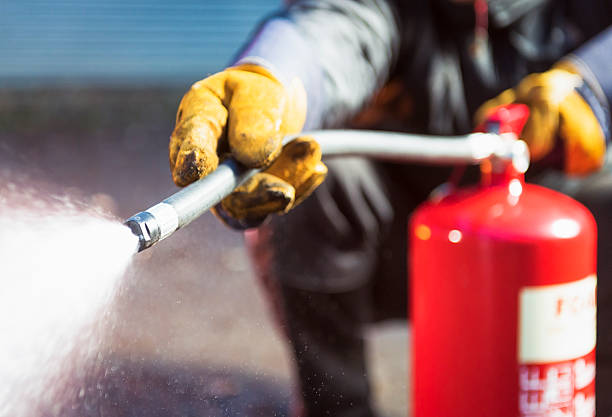
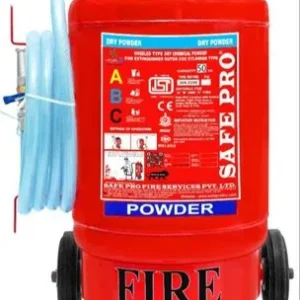
We’ve just expanded our inventory with a fresh shipment of Personal Protective Equipment (PPE), Fire Safety systems, and specialized Agriculture tools. If you don’t see a specific model or part number listed on the site yet, please leave a comment or contact our Kathmandu office directly. We can source specific industrial supplies within 48 hours.
At All Nepal Trade Center, precision and safety are our technical priorities. We ensure that all engineering tools and laboratory instruments meet international calibration standards before they reach your site. If you have specific technical requirements for machinery spares or lab setups, feel free to reply here for expert guidance.
For industrial projects and commercial buildings, we offer specialized fire suppression systems and heavy-duty machine tools. If you are looking for bulk supply rates or need a formal quotation for your project, please leave a comment here or reach out to our technical team directly



 Best Seller



3 thoughts on “The Ultimate Guide to Maintaining Your Vehicle in Nepal: 5 Parts You Can’t Ignore”
We’ve just expanded our inventory with a fresh shipment of Personal Protective Equipment (PPE), Fire Safety systems, and specialized Agriculture tools. If you don’t see a specific model or part number listed on the site yet, please leave a comment or contact our Kathmandu office directly. We can source specific industrial supplies within 48 hours.
At All Nepal Trade Center, precision and safety are our technical priorities. We ensure that all engineering tools and laboratory instruments meet international calibration standards before they reach your site. If you have specific technical requirements for machinery spares or lab setups, feel free to reply here for expert guidance.
For industrial projects and commercial buildings, we offer specialized fire suppression systems and heavy-duty machine tools. If you are looking for bulk supply rates or need a formal quotation for your project, please leave a comment here or reach out to our technical team directly